
Share
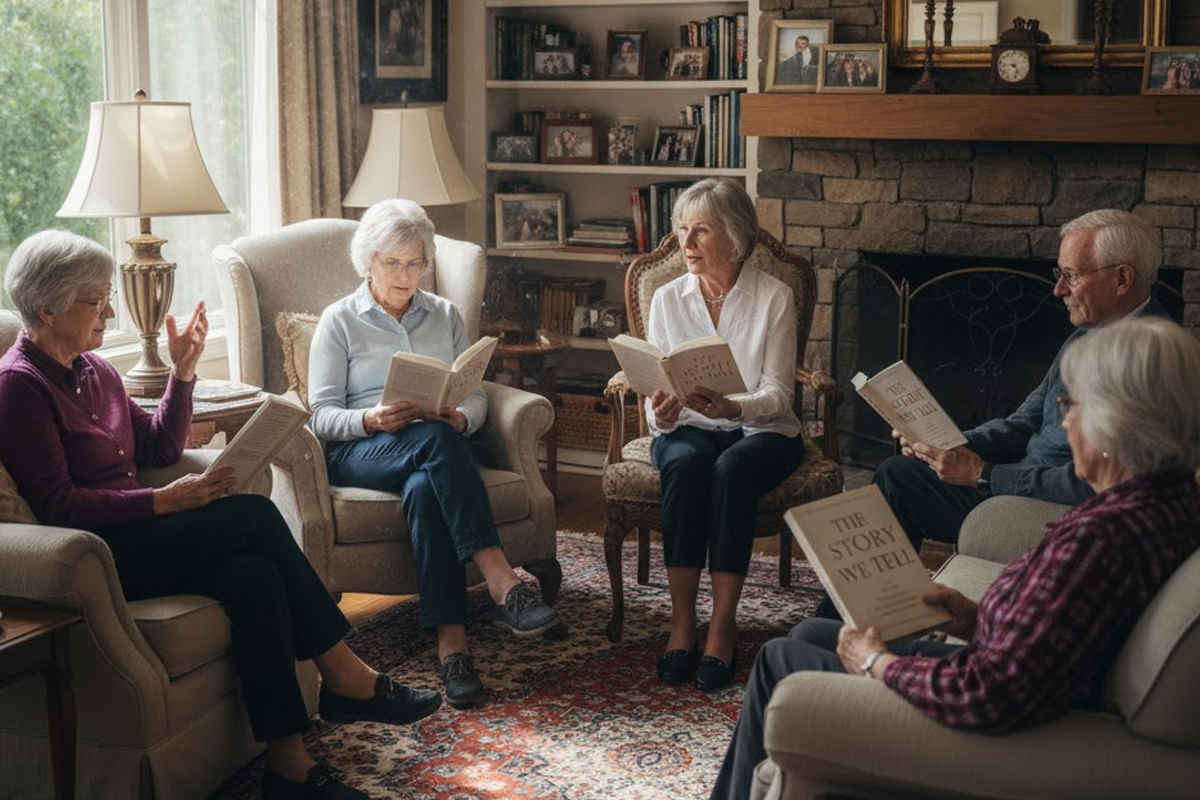
Start a Book Club for Seniors: Connecting Through Stories and Shared Experiences
Reading has always been one of life’s greatest joys. For many older adults, books can be a comforting companion, a doorway to new worlds, and a way to keep the mind active. Starting a senior book club is a wonderful way to bring these benefits together—promoting mental engagement, emotional connection, and social interaction for seniors.
At Caring Home Care, we believe that staying mentally and socially active is just as important as physical health. Whether at home or in a group setting, an elderly book discussion can spark joy, reduce loneliness, and build lasting friendships.
Why Start a Senior Book Club?
As we age, maintaining a sense of community can become more challenging. Many seniors spend more time indoors, and opportunities for social engagement can decline. A senior book club helps fill that gap by offering a meaningful reason to connect regularly.
Book clubs provide more than just reading time—they offer:
-
Social interaction: Members can gather to share thoughts, laughter, and opinions about stories they love.
-
Cognitive stimulation: Reading and discussing books can sharpen memory, focus, and comprehension.
-
Emotional well-being: Stories often evoke memories and emotions, helping seniors express themselves more openly.
-
Routine and structure: A regular meeting time gives seniors something to look forward to each week or month.
In short, a book club for seniors can turn reading into an enriching social activity that promotes both mental and emotional health.
How to Start a Senior Book Club
Starting an elderly book club doesn’t require much—just enthusiasm, organization, and a few great book club ideas. Here’s how to begin:
1. Choose the Right Format
Decide how the book club will meet. Some seniors prefer in-person gatherings at home, in a community room, or at a local library. Others may find virtual meetings more accessible, especially for those with mobility issues. Online platforms like Zoom or Google Meet make it easy for everyone to join in from the comfort of home.
2. Select a Comfortable Group Size
A group of 6–10 members is ideal for meaningful discussion. This size allows everyone to share their opinions without the conversation becoming overwhelming.
3. Pick Engaging Books
When choosing books for an elderly book discussion, keep in mind that everyone’s reading ability and preferences may differ. Choose stories that are uplifting, inspiring, or easy to follow. Large-print editions or audiobooks can make participation more inclusive.
Popular genres include:
-
Heartwarming fiction
-
Historical novels
-
Biographies and memoirs
-
Light mysteries
-
Poetry collections
Books like The Guernsey Literary and Potato Peel Pie Society or A Man Called Ove are great starting points for older readers—they’re touching, humorous, and full of life lessons.
4. Create a Reading Schedule
A consistent schedule helps keep the senior book club organized. Decide whether you’ll meet weekly, biweekly, or monthly. Break longer books into sections, so reading remains enjoyable rather than stressful.
5. Prepare Discussion Questions
Good questions encourage thoughtful conversation and make the discussion enjoyable. Examples include:
-
What character did you relate to the most?
-
What message did you take away from this story?
-
How does this book remind you of an experience from your own life?
This reflective approach turns the club into more than a reading group—it becomes a space for connection and storytelling.
Creative Book Club Ideas for Seniors
A successful senior book club can evolve into a vibrant social experience with a few creative touches. Here are some fun ideas to make meetings memorable:
-
Themed gatherings: Coordinate snacks or decorations around the setting of the book. For example, serve tea and pastries for a story set in England.
-
Guest speakers: Invite a local author or librarian to join a meeting and share insights.
-
Memory sharing: Encourage members to relate the book’s theme to a memory or life lesson.
-
Art or craft tie-ins: For artistic seniors, a simple craft or drawing inspired by the book’s story can make the experience more engaging.
-
Movie nights: If the book was adapted into a film, watch it together after finishing the story and discuss the differences.
These book club ideas transform simple reading sessions into cherished community moments.
Benefits of Book Clubs in Home Care Settings
For seniors receiving in-home care, a book club can play a major role in emotional and cognitive health. Home caregivers can help facilitate the meetings by:
-
Setting up a quiet, comfortable reading space.
-
Assisting with technology for virtual book clubs.
-
Helping choose accessible book formats like audiobooks or large print.
-
Encouraging participation in discussions for social stimulation.
At Caring Home Care, we’ve seen firsthand how a simple shared activity—like an elderly book discussion—can lift a person’s spirits and improve their overall well-being. It helps reduce isolation and gives seniors something positive to anticipate each week.
Keeping the Momentum Going
Once your senior book club gets started, keeping members engaged is key. Encourage participants to suggest books, host meetings in different homes, or take occasional field trips to local libraries or author events.
Consistency is important, but so is flexibility—allow time for conversation, snacks, and laughter. The best book clubs don’t just discuss literature; they build friendships and strengthen emotional connections.
Bringing Care and Connection Together
Books have a remarkable power to connect people through imagination and empathy. A book club for seniors isn’t just about reading—it’s about sharing experiences, learning from each other, and nurturing the joy of companionship.
If your loved one receives home care, consider talking to their caregiver about organizing a senior book club or joining a local reading group. It’s a simple yet powerful way to enhance mental engagement and emotional well-being.
At Caring Home Care, we believe in providing care that goes beyond daily assistance—care that nourishes the heart and mind.

Small Daily Habits That Dramatically Reduce Fall Risk Falls are one of the most common causes of injury among seniors. Even a minor fall can lead to serious health complications, loss of independence, or extended recovery time. The good news is that many falls can be prevented. With the right daily routines, safety can be

Prevent Falls at Home: Safe Home Tips for Seniors Falls are one of the most common causes of injury for older adults. In fact, falls often lead to broken bones, head injuries, and a loss of independence. The good news is that with the right steps, fall prevention for seniors is possible. By making a

Stay Active During Retirement: Ideas and Tips for an Engaged and Fulfilling Life Retirement can be one of the most rewarding chapters of life. With more free time, there are endless opportunities to explore hobbies, connect with others, and take better care of your health. Staying active during retirement is more than just a way

Benefits of 24/7 Home Care As our loved ones age, their care needs can increase significantly. Some seniors require help not just during the day, but also overnight or around the clock. That’s where 24/7 senior care becomes essential. With full-time home care, seniors can remain in the comfort of their homes while receiving constant
Need A Caregiver? Fill Out Form Below
With our competitive rates, we make receiving in-home care affordable regardless of whether you’re using your insurance or paying out of pocket.