
Share
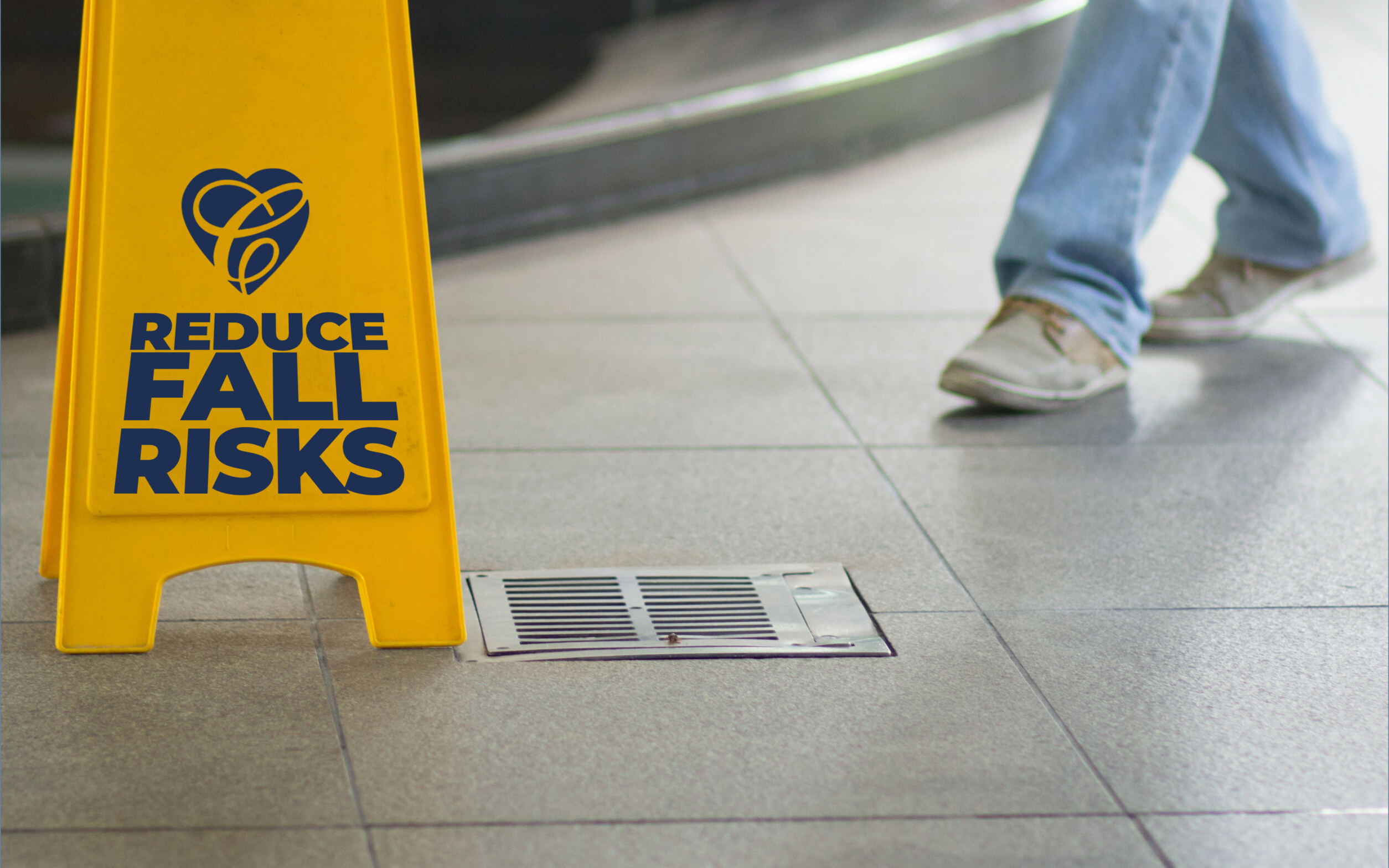
Small Daily Habits That Dramatically Reduce Fall Risk
Falls are one of the most common causes of injury among seniors. Even a minor fall can lead to serious health complications, loss of independence, or extended recovery time. The good news is that many falls can be prevented. With the right daily routines, safety can be improved significantly. Caregiver education and support play an important role in helping seniors stay safe at home. By focusing on simple and consistent actions, families can actively reduce senior falls and protect long term wellbeing.
Why Daily Habits Matter for Fall Prevention
Fall prevention is not just about equipment or home modifications. It is also about habits practiced every day. Small actions repeated consistently create a safer environment. When routines are followed, risks are identified earlier and accidents are less likely to occur. Many seniors fall during normal activities such as walking to the bathroom, standing from a chair, or reaching for items. These moments can be made safer with better awareness and preparation.
Keeping Walkways Clear at All Times
Clutter is one of the biggest fall risks in the home. Shoes, cords, small furniture, and loose items can quickly become hazards. Walkways should be kept clear throughout the day, not just during cleaning. Items that are frequently used should be stored within easy reach. Rugs should be secured or removed if they slide. By keeping paths open and predictable, seniors can move more confidently and safely.
Encouraging Proper Footwear Indoors
Many seniors walk barefoot or wear loose slippers inside the home. This habit increases the risk of slipping. Supportive footwear with non slip soles should be worn even indoors. Shoes should fit well and provide good traction. This small daily change can dramatically reduce senior falls, especially on tile or wood floors.
Making Lighting a Daily Safety Priority
Poor lighting often contributes to falls, especially in the early morning or at night. Lights should be turned on before walking through any room. Night lights should be used in bedrooms, hallways, and bathrooms. Burned out bulbs should be replaced promptly. When lighting is consistent, obstacles are easier to see and balance is easier to maintain.
Slowing Down Transitions and Movements
Many falls happen when seniors move too quickly. Standing up too fast or turning suddenly can cause dizziness or loss of balance. Seniors should be encouraged to pause before standing, especially after sitting or lying down. Caregivers can remind them to take a moment before walking. These short pauses allow the body to adjust and help reduce fall risk.
Building Strength and Balance Into Daily Routines
Strength and balance naturally decline with age, but they can be maintained through simple daily movement. Light exercises such as standing from a chair, gentle stretching, or short walks help improve stability. These activities do not need to be intense. When movement becomes part of the daily routine, confidence increases and falls are less likely to occur.
Keeping Frequently Used Items Within Reach
Reaching or climbing to access items is a common cause of falls. Everyday items such as glasses, phones, medications, and remote controls should be kept at waist or chest level. Step stools should be avoided when possible. By organizing the home with safety in mind, unnecessary risks are reduced.
Creating a Safe Bathroom Routine
Bathrooms are one of the most dangerous areas for seniors. Slippery surfaces and tight spaces increase fall risk. Daily habits such as drying floors after use, using grab bars, and sitting while dressing can make a big difference. Non slip mats should be checked regularly to ensure they remain secure. Caregivers should encourage seniors to take their time in the bathroom rather than rushing.
Staying Consistent With Vision and Health Checks
Vision changes and health conditions can affect balance and awareness. Seniors should wear prescribed glasses consistently and attend regular eye exams. Medications should also be reviewed, as some can cause dizziness or weakness. When health is monitored regularly, potential fall risks can be addressed early.
Encouraging the Use of Mobility Support When Needed
Some seniors resist using walkers or canes because they feel unnecessary. However, mobility aids are designed to improve stability and prevent falls. Using them daily when recommended can significantly reduce fall risk. Caregivers should encourage their use and ensure they are adjusted correctly.
How Caregiver Support Makes a Difference
Caregiver education is essential for effective fall prevention. Caregivers can identify risks that seniors may overlook. They can help reinforce routines, provide reminders, and assist with safe movement. At Caring Home Care, caregivers are trained to support senior safety habits while respecting independence. This balance helps seniors feel confident while staying protected.
Turning Small Habits Into Lasting Safety
Fall prevention does not require drastic changes. It begins with awareness and small daily habits. Over time, these habits become second nature. When caregivers and families work together, homes become safer and seniors remain more independent. By focusing on fall prevention tips and consistent routines, families can reduce senior falls and create a more secure environment every day.
If you are caring for a loved one and need guidance or professional support, Caring Home Care is here to help. Our team is committed to education, safety, and compassionate care that keeps seniors safe at home.
Start a Book Club for Seniors: Connecting Through Stories and Shared Experiences Reading has always been one of life’s greatest joys. For many older adults, books can be a comforting companion, a doorway to new worlds, and a way to keep the mind active. Starting a senior book club is a wonderful way to bring
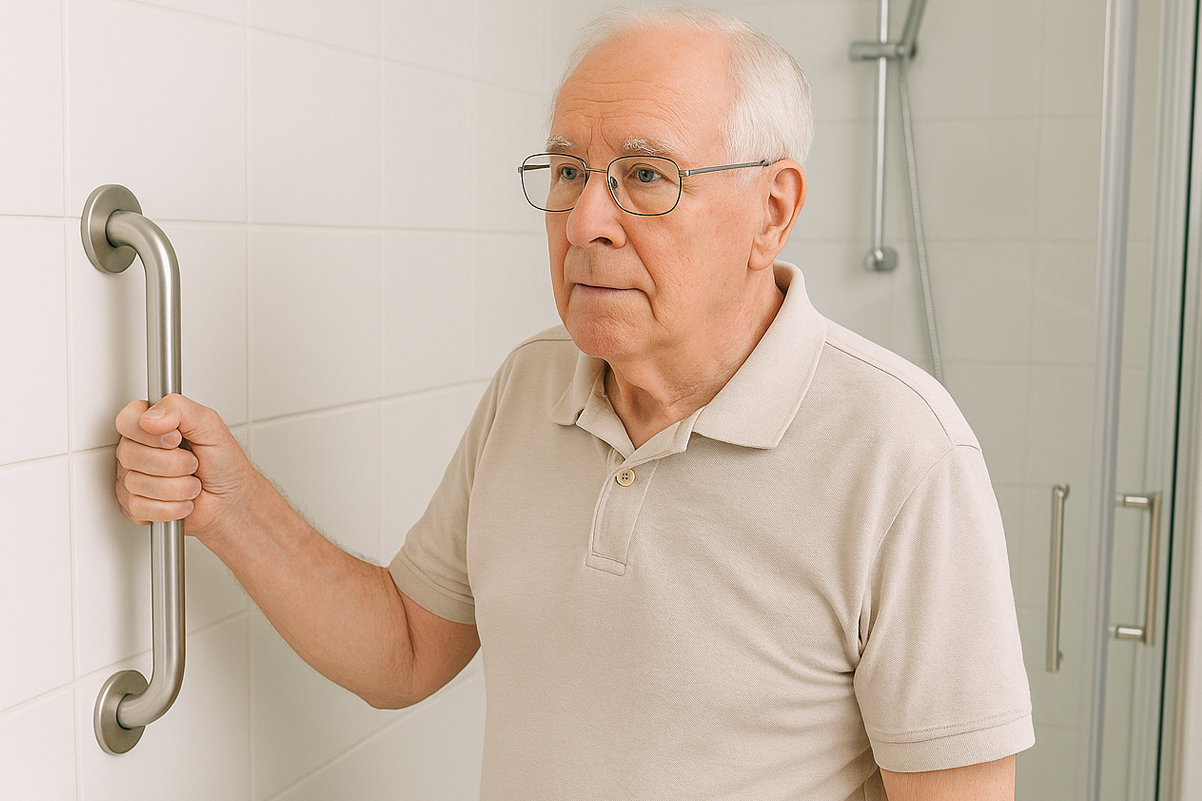
Prevent Falls at Home: Safe Home Tips for Seniors Falls are one of the most common causes of injury for older adults. In fact, falls often lead to broken bones, head injuries, and a loss of independence. The good news is that with the right steps, fall prevention for seniors is possible. By making a

Stay Active During Retirement: Ideas and Tips for an Engaged and Fulfilling Life Retirement can be one of the most rewarding chapters of life. With more free time, there are endless opportunities to explore hobbies, connect with others, and take better care of your health. Staying active during retirement is more than just a way
Benefits of 24/7 Home Care As our loved ones age, their care needs can increase significantly. Some seniors require help not just during the day, but also overnight or around the clock. That’s where 24/7 senior care becomes essential. With full-time home care, seniors can remain in the comfort of their homes while receiving constant
Need A Caregiver? Fill Out Form Below
With our competitive rates, we make receiving in-home care affordable regardless of whether you’re using your insurance or paying out of pocket.