
Share

Taking a simple walk around the neighborhood and attempting to eat healthy foods are two of the most common New Year’s resolutions; however, as our loved ones age, these simple tasks (and many others) could become increasingly difficult goals to achieve.
How do you know if your loved one is starting to strugglge? You can assess their behavior based on Activities of Daily Living (ADLs).
ADLs are acts that help measure and interpret if our loved ones are maintaining a high quality of life independently. They are usually broken out into main two main categories, basic and instrumental.
Basic ADLs are activities that relate to one’s personal care such as:
- Daily grooming
- Getting dressed
- Toileting
- Transportation
- Walking
Instrumental ADLs are activities that require attention in and outside of the home such as:
- Housework
- Money management
- Shopping around town
- Communication skills
- Medication management
- Mental support
Normally reviewing one’s ADLs comes into play when families are looking into senior housing options for their loved ones, especially when seeing if they qualify for Long-Term Care Insurance (LTC).
There are a number of checklists that you can use to determine what type of care is needed for your loved one depending on how well they can perform each activity. Assessments can also help to determine if they are being impacted by diseases such as Alzheimer’s Disease and Dementia.
While families are able to conduct assessments on their own, it is recommended that you seek guidance when determining the best care option such as:
- Social workers or registered nurses
- Physicians
- Physical and occupational therapists
- Insurance providers
- Government assistance
How Can a Caregiver Add Assistance?
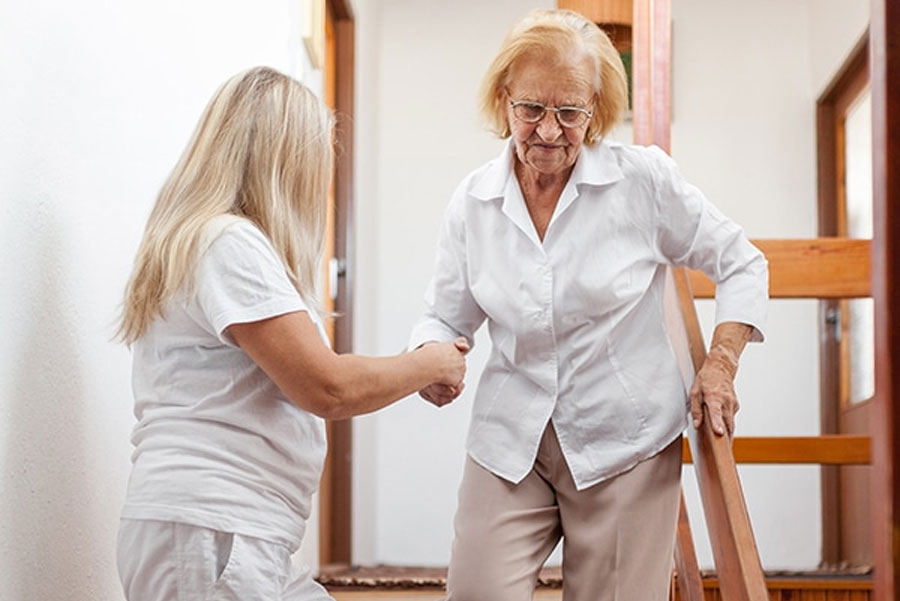
If your loved one’s assessment shows that he or she may need assistance there are a number of ways an in-home caregiver can provide help so your loved one can remain living at home.
When seeking out an in-home caregiver it makes sense to answer a few questions to help you find someone who is a perfect fit.
Questions to ask yourself:
- What does your loved one need help with?
- What specific services, such as physical or occupational therapy, are needed?
- How often each service should be utilized?
- Does your loved one need help with medications? Vital sign monitoring?
- What results are you hoping to achieve with the help of a certified caregiver?
At Caring Home Care, we can match your loved one with a certified nursing assistant or home health aid using our nurse registry which is designed to pair based on exact needs.
Our care coordinator will take care of all the details to allow you the time to help prepare your loved one to see the care they deserve. Our team accepts most LTC plans along with being Electronic Visit Verification (EVV) compliant. To find out if you or your loved one qualify through your long-term insurance, please click here.

How Families Can Reduce the Cost of Long Term Care The cost of long term care is a growing concern for families across the country. As parents and loved ones age, many families find themselves trying to balance providing quality care with protecting their savings and financial security. Fortunately, planning ahead and understanding the available

5 Brain Healthy Foods for Seniors Eating well is important at every age, but good nutrition can become even more valuable as we get older. The foods seniors choose each day can help support brain function, memory, energy, and overall health. While there is no single food that can prevent memory loss or guarantee better

Haitian TPS Changes Could Deepen Florida’s Home Care Workforce Shortage Florida’s home care system is already facing a serious caregiver shortage. Now, changes to Temporary Protected Status (TPS) for Haitian nationals could create another challenge for seniors, people with disabilities, and families who depend on caregivers to remain safely at home. The Home Care Association
Florida’s Home Care Workforce Shortage: What It Means for Seniors and Their Families As Florida’s senior population continues to grow, more families are choosing home care to help their loved ones remain safe, comfortable, and independent. However, a growing workforce shortage is making it increasingly difficult for many seniors to receive the care they need.
Need A Caregiver? Fill Out Form Below
With our competitive rates, we make receiving in-home care affordable regardless of whether you’re using your insurance or paying out of pocket.