
Share
When aging loved ones have been in the hospital for any health issue, it’s only natural that they’re eager to return home. To make the recovery process as easy and safe as possible, you can prepare the house before they’re discharged. Here are some great ideas for how to do that.
Set Up Necessities on the Same Floor
It may have been easy for your loved ones to climb and descend stairs before their hospital stays, but doing it afterward could be unsafe. You can protect their well-being by setting up everything that they’ll need on one floor. In particular, it’s safer for a bathroom or portable commode to be on the same floor where they’ll spend most of the day. Setting up a bed or a comfortable place to sleep on that same floor is also helpful.
Make Everyday Items More Accessible
You can make many of the items that your loved ones use throughout the day more accessible so that they don’t overextend to reach them. Basically, they shouldn’t have to get on their tiptoes or bend down to pick up items.
Along with ensuring that there’s plenty of light, here are several things that you can do:
- Keep entryways clear and open to allow for cane, walker, and wheelchair access.
- Leave the most-used silverware, glasses, and other items on the counter.
- Organize closets to make clothing easy to reach.
- Place food and supplies above waist level but below shoulder level.
- Place hair care and personal cleansing products within reach in the bathroom.
- Remove tripping hazards, such as clutter and scattered rugs.
- Stock Up on Essentials and Ready Meals
To avoid your loved ones running out of essentials, stock up on shampoo, toilet paper, and other personal care items. Consider getting frozen or canned foods that can be easily stored and heated. If you have time, make single meals that are easy to reheat.
Make Adjustments in the Bathroom
The bathroom is often an obstacle for older adults, especially when they’ve just returned home from a hospital stay. You can do several things to make trips to the bathroom easier:
- Install grab bars next to the toilet to help with sitting and standing.
- Install grab bars on the wall to help with getting in and out of the bathtub.
- Put a bath or shower chair in the bathtub.
- Raise the toilet seat to assist with sitting and standing.
- Use a nonslip bath mat outside of the tub to assist with footing.
- Use nonslip rubber silicone decals or suctions mats on the bathtub floor.
- Have Items on Hand to Assist With Daily Activities
If you’re unable to assist with all of your loved ones’ daily activities, you can get some items that will help. A sock aid and shoehorn will help with putting on socks and shoes, and a long-handled shower sponge will assist with bathing. Attaching small baskets to walkers can help with carrying notepads, pens, phones or other items between rooms. If your loved ones don’t need walkers, they could wear fanny packs instead.
Make Arrangements for In-Home Care
It can be nerve-wracking to think about your loved one at home alone when you can’t be there. To allay your concerns, make arrangements for a professional caregiver to visit regularly. The in-home caregiver registry at Caring Home Care is a great place to begin your search for the right caregiver!
Small Daily Habits That Dramatically Reduce Fall Risk Falls are one of the most common causes of injury among seniors. Even a minor fall can lead to serious health complications, loss of independence, or extended recovery time. The good news is that many falls can be prevented. With the right daily routines, safety can be
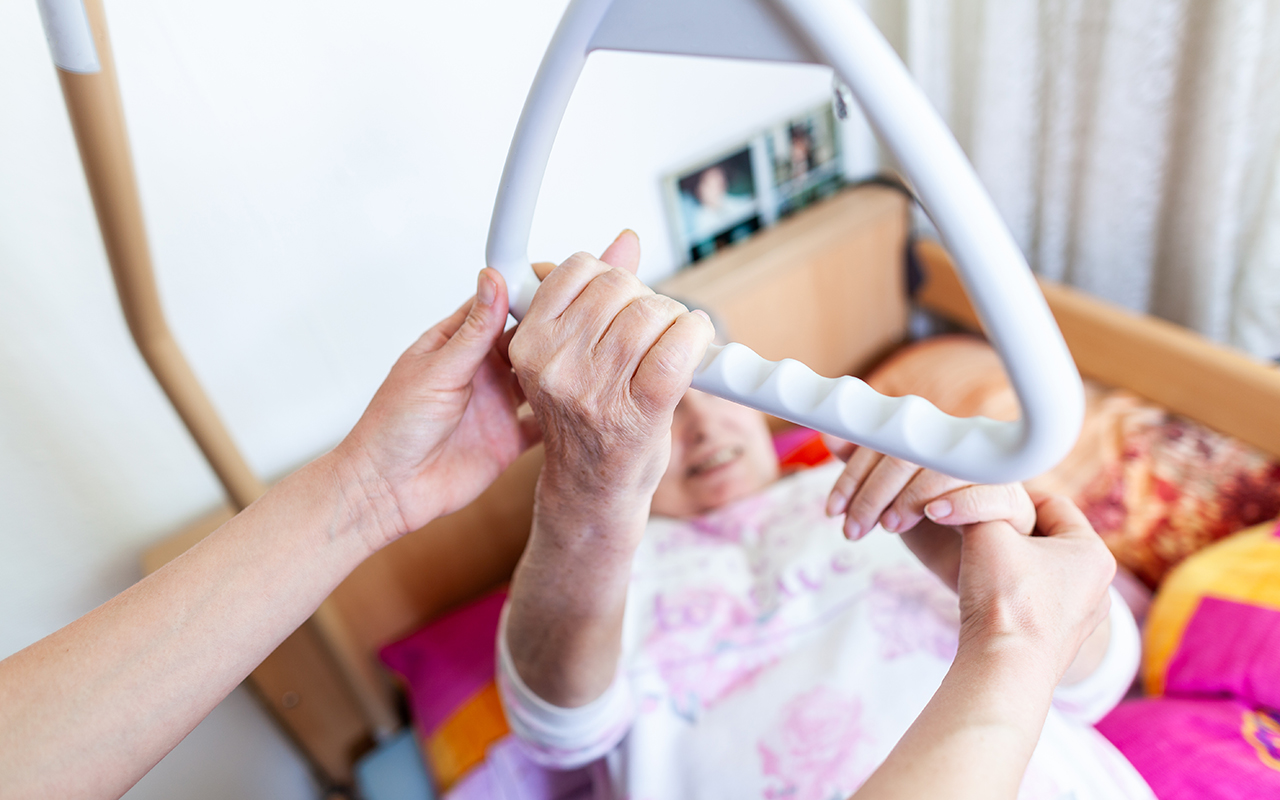
How Caregivers Can Reduce Injury While Assisting Seniors Providing daily care for seniors is meaningful work. It can also be physically demanding. Many caregiver injuries happen during lifting, transferring, or repositioning seniors. These injuries are often preventable when proper techniques are used. Learning caregiver injury prevention strategies protects both the caregiver and the senior. It
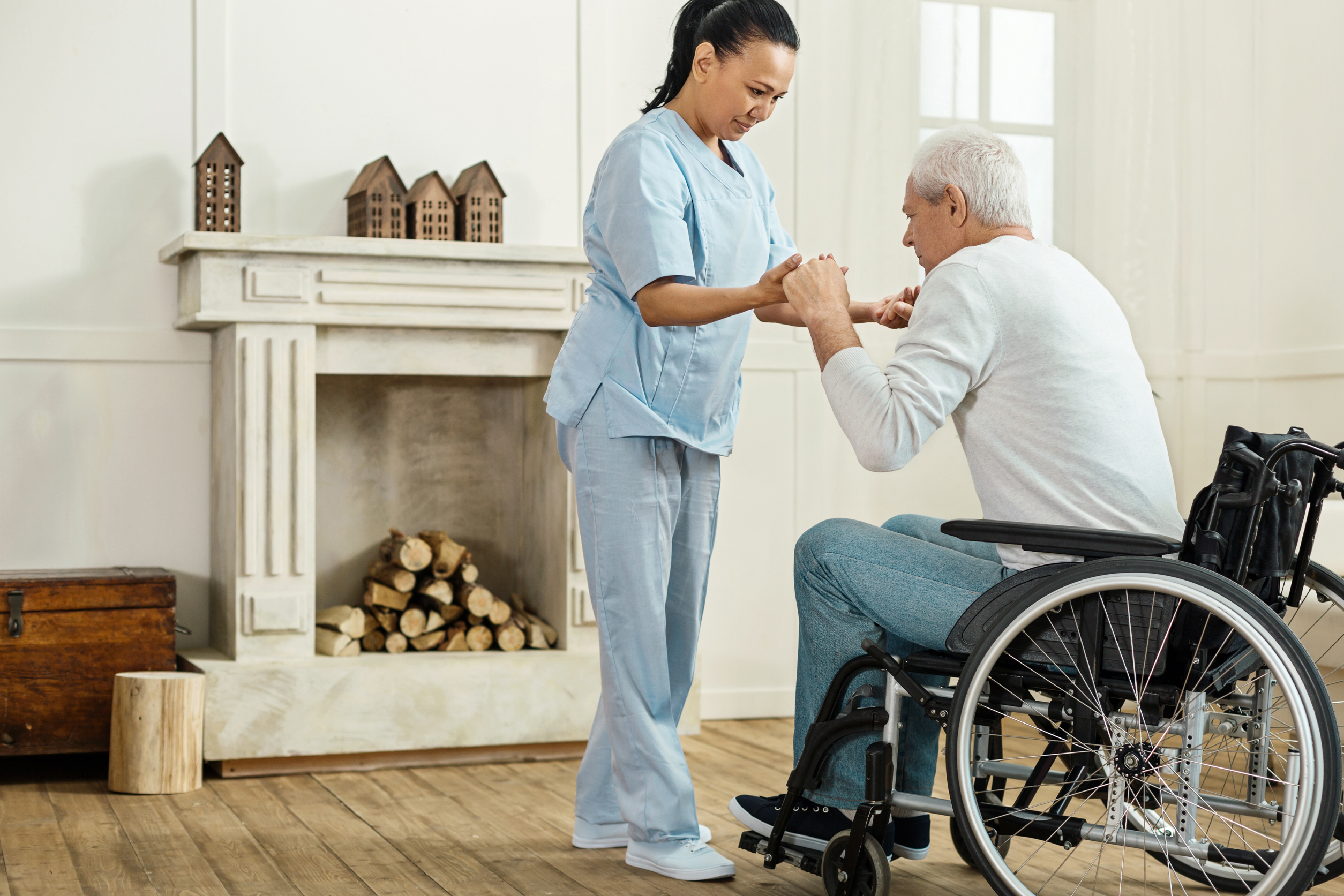
Why Professional Home Care Is Safer Than Family Only Care Caring for an aging loved one is deeply personal. Many families step in with the best intentions. However, as care needs increase, family only caregiving can become overwhelming and risky. This is where professional home care plays a critical role. Professional caregivers are trained, experienced,
Connecting During the Thanksgiving Holiday: How to Support Your Elder Relatives The Thanksgiving holiday is a time filled with warmth, gratitude, and meaningful family traditions. However, for many older adults, it can also be a period of loneliness or emotional distance. This is especially true for seniors who live alone, have limited mobility, or are
Need A Caregiver? Fill Out Form Below
With our competitive rates, we make receiving in-home care affordable regardless of whether you’re using your insurance or paying out of pocket.