
Share

Haitian TPS Changes Could Deepen Florida’s Home Care Workforce Shortage
Florida’s home care system is already facing a serious caregiver shortage. Now, changes to Temporary Protected Status (TPS) for Haitian nationals could create another challenge for seniors, people with disabilities, and families who depend on caregivers to remain safely at home.
The Home Care Association of Florida (HCAF) recently brought national attention to the issue, discussing how the loss of TPS based work authorization for Haitian nationals could affect Florida’s home care workforce and, ultimately, access to care.
HCAF Senior Director of Policy, Advocacy & Communications Kyle Simon emphasized that the issue extends far beyond workforce numbers.
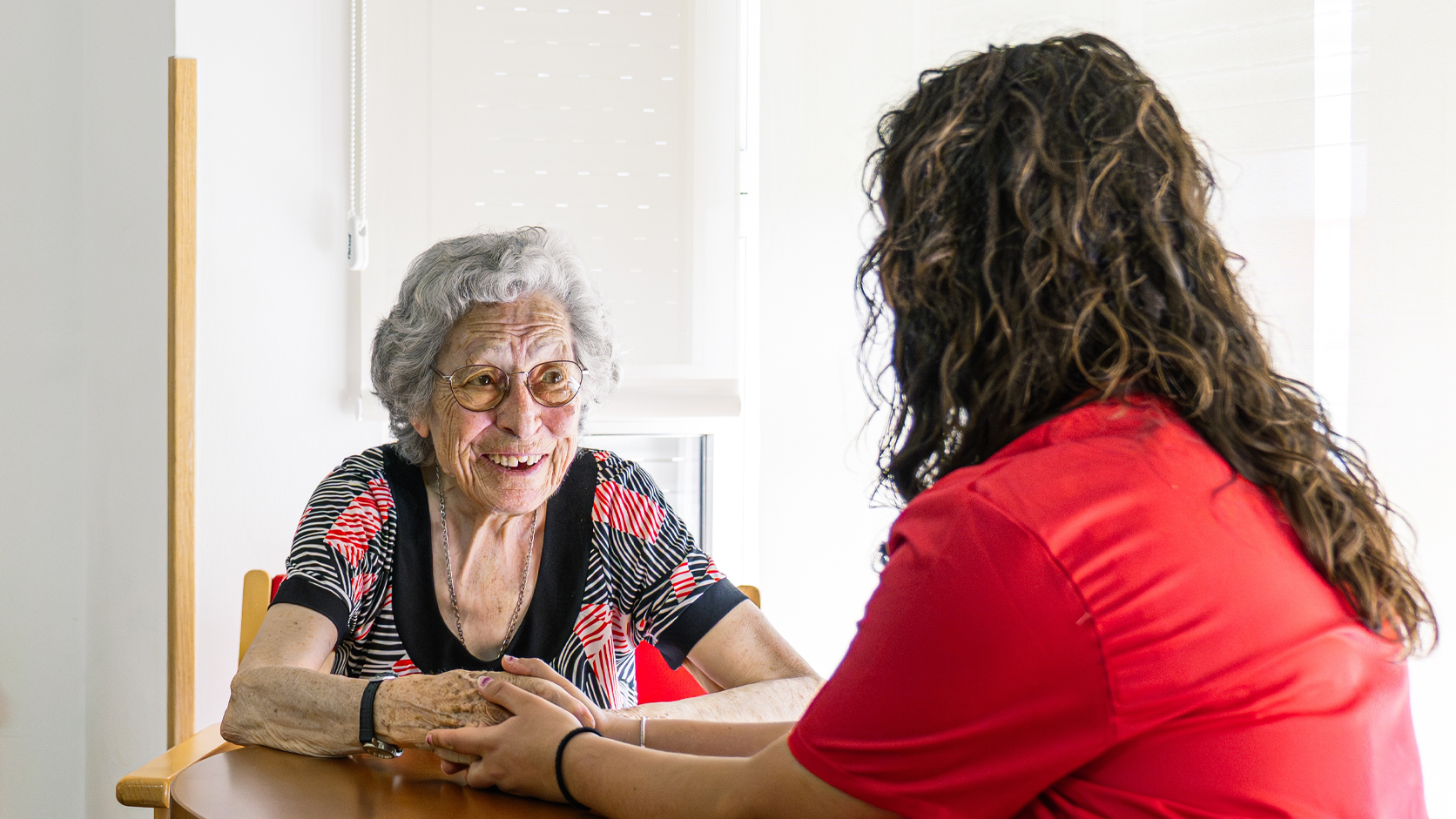
“But ultimately what this is, it’s about patients and continuity of care,” Simon said. “When a caregiver disappears, a patient does not simply lose an employee; they lose a trusted, trained person who helps make it possible for them to live safely at home.”
That continuity is especially important in home care. Caregivers learn a client’s routines, preferences, mobility needs and daily challenges. Over time, they can become an essential part of a senior’s support system.
Florida is particularly vulnerable because the state already faces a significant shortage of home health care workers. According to the 2026 America’s Health Rankings Senior Report, Florida has approximately 17 home health care workers per 1,000 adults age 65 and older, compared with 65 nationally.
“Florida cannot absorb a sudden caregiver loss as it is, especially in the home health sector,” Simon said. “That shortage is very real, so this will only compound that issue.”
Haitian nationals have long played an important role throughout Florida’s health care workforce, serving as home health aides, certified nursing assistants, nurses, therapists and support professionals. A reduction in the available caregiver workforce could make an already difficult recruitment environment even more challenging.
For families, the impact could be significant. When professional caregivers are unavailable, adult children and other relatives may have to adjust work schedules, reduce hours or personally provide additional care for aging loved ones.
The issue is particularly important in South Florida, where both the Haitian community and the population of older adults represent significant parts of our communities.
Regardless of the broader policy debate surrounding TPS, the home care concern is clear: Florida needs qualified, dependable caregivers.
At Caring Home Care, we believe seniors and individuals with disabilities deserve access to dependable care that helps them remain safe, comfortable and independent at home. Maintaining a strong caregiver workforce is essential to protecting that choice and ensuring Florida families can continue accessing the care they need.
Considering a Career Change? Explore a Path as an HHA or CNA If you are considering a career change, becoming a home health aide (HHA) or certified nursing assistant (CNA) may offer a rewarding way to put your strengths to work. For people who value personal connection and helping others, supporting someone at home can

Florida’s Home Care Workforce Shortage: What It Means for Seniors and Their Families As Florida’s senior population continues to grow, more families are choosing home care to help their loved ones remain safe, comfortable, and independent. However, a growing workforce shortage is making it increasingly difficult for many seniors to receive the care they need.

Hurricane season can be stressful for everyone, but it can be especially challenging for seniors who live alone. Taking time to prepare before a storm arrives can help reduce stress, improve safety, and ensure that essential needs are met if severe weather impacts your community. At Caring Home Care, we believe preparation is one of

Need A Caregiver? Fill Out Form Below
With our competitive rates, we make receiving in-home care affordable regardless of whether you’re using your insurance or paying out of pocket.