
Share
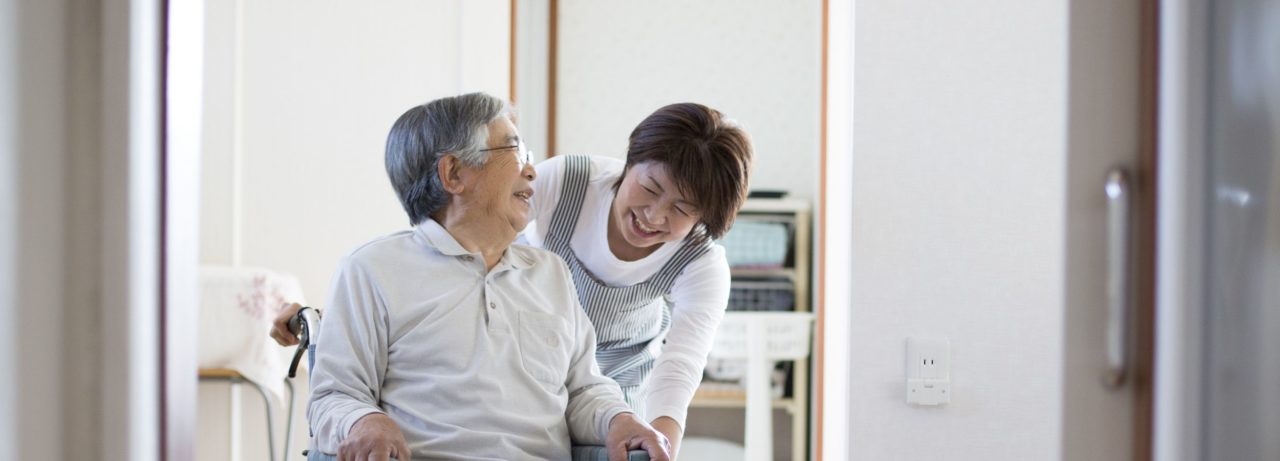
Taking care of an elderly loved one is a huge commitment that requires you to have weighed and analyzed all variables before taking on such a big responsibility. Evaluating a loved one’s living situation will help you make crucial decisions concerning how much assistance your family member needs.
Is the Home a Safe Space?
Ask yourself, does your loved one’s current living situation pose any safety risks to their wellbeing? Are the safety features adequate to ensure you and your family’s peace of mind?
A safety check aims to establish the following;
- Does your elderly loved one’s current residence have ample lighting?
- What fire safety measures are in effect?
- Are all knives and cutting implements safely tucked away?
- Does your loved one’s current residence have handlebars installed in all the necessary places?
- Does your loved one have unhindered access to the bathroom, sleeping quarters, and any of their favorite places?
Additionally, you might want to eliminate all fall hazards such as throw rugs, loose extension cords, clothes on the floor, and so on. You might want to invest in several pairs of non-slip footwear for added safety.
Is Independent Living Providing a High Quality of Life?
Increased age brings with it any number of surprises from dementia, a compromised immune system, and a general decline in physical abilities for many. If an elderly loved one requires regular, specialized home-based care, you might want to re-evaluate their independent living situation.
One option for semi-independent living is for a loved one to move-in as a full-time caregiver. Another option is to have family members take shifts in caring for the elderly family member. Finally, professional caregivers can come in to provide respite for family members or to simply be there when the family cannot (such as during working hours).
If an in-home caregiver isn’t an option, then a live-in facility might be helpful. Many seniors who are faced with the prospects of having to leave their home to go to a live-in facility will accept the help of an in-home caregiver as a way to stay home.
What Happens if There is an Emergency?
Senior loved ones that live alone should have quick and easy access to emergency medical devices that will alert you and the paramedics if an accident occurs.
Medical alert devices that can be worn, such as bracelets and necklaces, can be purchased for as little as $20. In some cases, insurance, such as Medicare Part C may completely cover the case of a medical alert bracelet. Local senior assistance agencies may also give out the devices for free. You can also talk with your doctor about whether a medical alert device is necessary and where he or she recommends getting one.
Becoming a full-time in-home caregiver may not exactly fit right into your schedule. Consider the next best alternative; hiring a certified in-home caregiver. Caring Home Care has a nurse registry complete with professional caregivers that are ready to provide assistance with daily tasks such as grooming, bathing, cooking, dressing, and more.
Considering a Career Change? Explore a Path as an HHA or CNA If you are considering a career change, becoming a home health aide (HHA) or certified nursing assistant (CNA) may offer a rewarding way to put your strengths to work. For people who value personal connection and helping others, supporting someone at home can
How Families Can Reduce the Cost of Long Term Care The cost of long term care is a growing concern for families across the country. As parents and loved ones age, many families find themselves trying to balance providing quality care with protecting their savings and financial security. Fortunately, planning ahead and understanding the available

5 Brain Healthy Foods for Seniors Eating well is important at every age, but good nutrition can become even more valuable as we get older. The foods seniors choose each day can help support brain function, memory, energy, and overall health. While there is no single food that can prevent memory loss or guarantee better
Need A Caregiver? Fill Out Form Below
With our competitive rates, we make receiving in-home care affordable regardless of whether you’re using your insurance or paying out of pocket.