
Share
As you age, your brain goes through changes, some of which may contribute to dementia. However, mental exercises can counteract or slow down these changes and provide many other benefits throughout your senior years.
Memory Retention
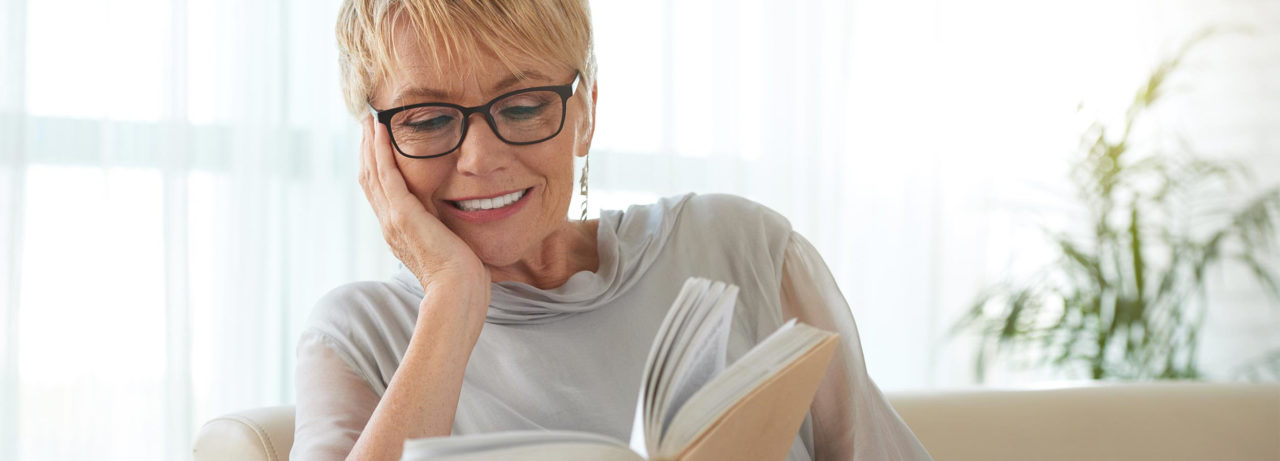
Studies show participating in meaningful and enjoyable activities, such as reading, playing challenging games, learning a new language and establishing active hobbies can improve your memory.
Researchers at Stanford found these and similar pursuits improve problems with memory loss 30 to 50 percent. So the next time somebody teases you about your Words With Friends habit, you can tell them it’s part of your brain’s daily “workout.”
Adaptability
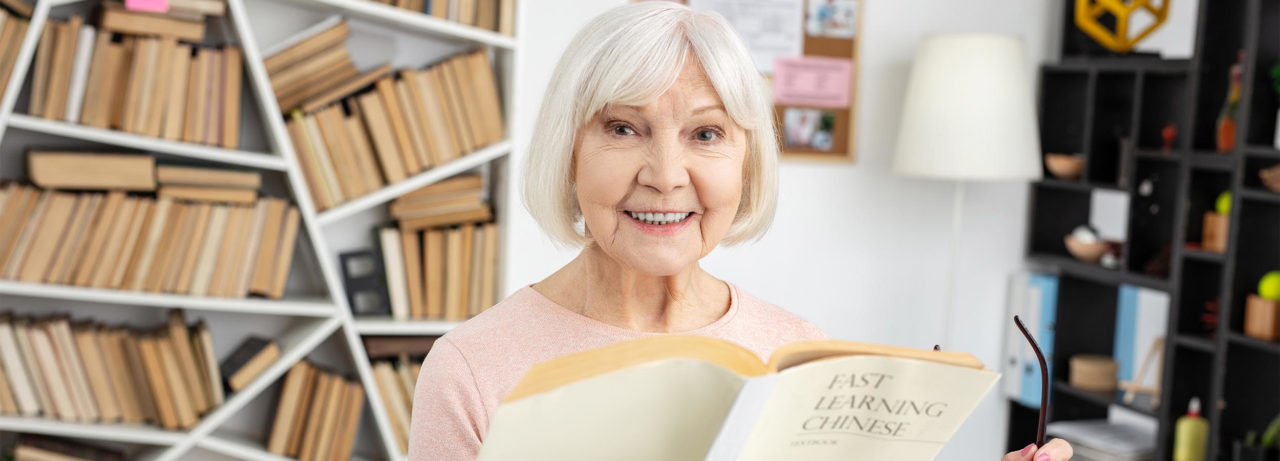
The brain was once thought to be static and incapable of creating new connections, but scientists have since discovered it’s quite dynamic and adaptable.
Performing the types of activities shown to reduce memory loss may also strengthen existing connections or generate new ones, especially if you try something adventurous like learning an unfamiliar language.
Stronger connections throughout the brain could have the benefit of allowing your mind to compensate if some parts are affected by illness or slowed by the natural aging process, helping you maintain mental clarity as you age.
Maintaining Independence

Participating in activities to keep your brain functioning well preserves your ability to make decisions and can make you better at planning and strategizing. You may also experience less of a decline in reaction time, reducing your risk of falling or getting into automobile accidents.
The longer you’re able to maintain high mental function, the longer you can stay in your home and enjoy independence.
Social Connections

Studies of the Blue Zones, areas of the world with the largest numbers of centenarians, show having a strong social network is linked with a longer, healthier life. However, seniors often experience isolation, especially if close friends succumb to health problems or are afflicted with conditions like dementia.
Signing up for classes in the community offers opportunities to meet new people and maintain consistent connections. A routine class schedule also ensures your brain keeps getting a regular dose of exercise!
Staying mentally active doesn’t require any special “brain games.” You just have to find activities you like and commit to challenging yourself a little every day. Along with a nutritious diet and a regular exercise regimen, mental activity will help you maintain health and stay sharp as you age.
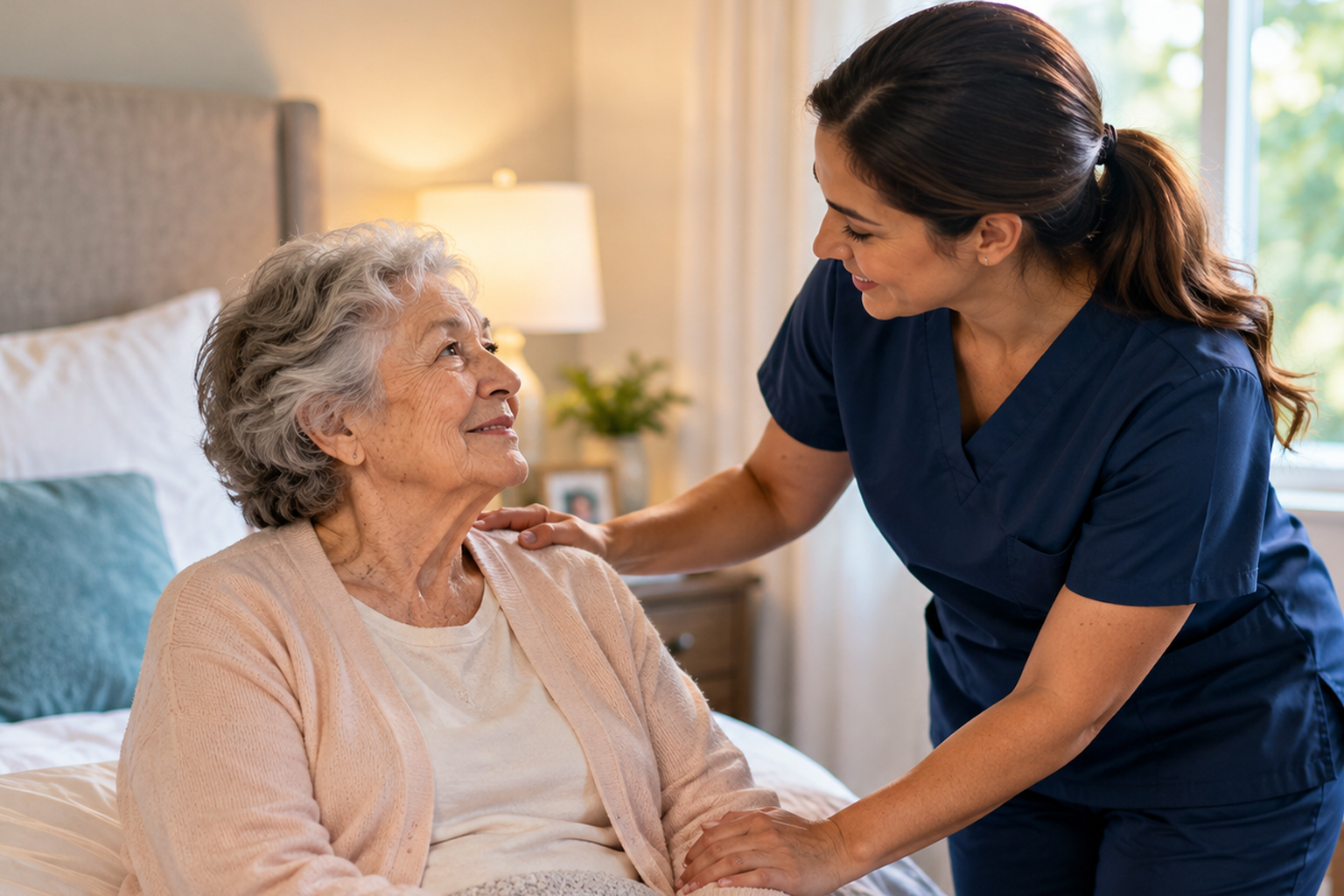
If you start feeling isolated, or know of a loved one who may be feeling this way, consider hiring a caregiver. A professional caregiver from Caring Home Care can provide companionship while helping around the house with small (or big) tasks. Learn more today!
Considering a Career Change? Explore a Path as an HHA or CNA If you are considering a career change, becoming a home health aide (HHA) or certified nursing assistant (CNA) may offer a rewarding way to put your strengths to work. For people who value personal connection and helping others, supporting someone at home can

Haitian TPS Changes Could Deepen Florida’s Home Care Workforce Shortage Florida’s home care system is already facing a serious caregiver shortage. Now, changes to Temporary Protected Status (TPS) for Haitian nationals could create another challenge for seniors, people with disabilities, and families who depend on caregivers to remain safely at home. The Home Care Association
Florida’s Home Care Workforce Shortage: What It Means for Seniors and Their Families As Florida’s senior population continues to grow, more families are choosing home care to help their loved ones remain safe, comfortable, and independent. However, a growing workforce shortage is making it increasingly difficult for many seniors to receive the care they need.
Need A Caregiver? Fill Out Form Below
With our competitive rates, we make receiving in-home care affordable regardless of whether you’re using your insurance or paying out of pocket.