
Share
Arthritis affects almost half of all adults over age 65 and can cause severe pain for some. Managing your elderly loved one’s arthritis allows him or her to enjoy a better quality of life. Here are a few helpful caregiver tips for easing arthritis pain.
Know the Symptoms
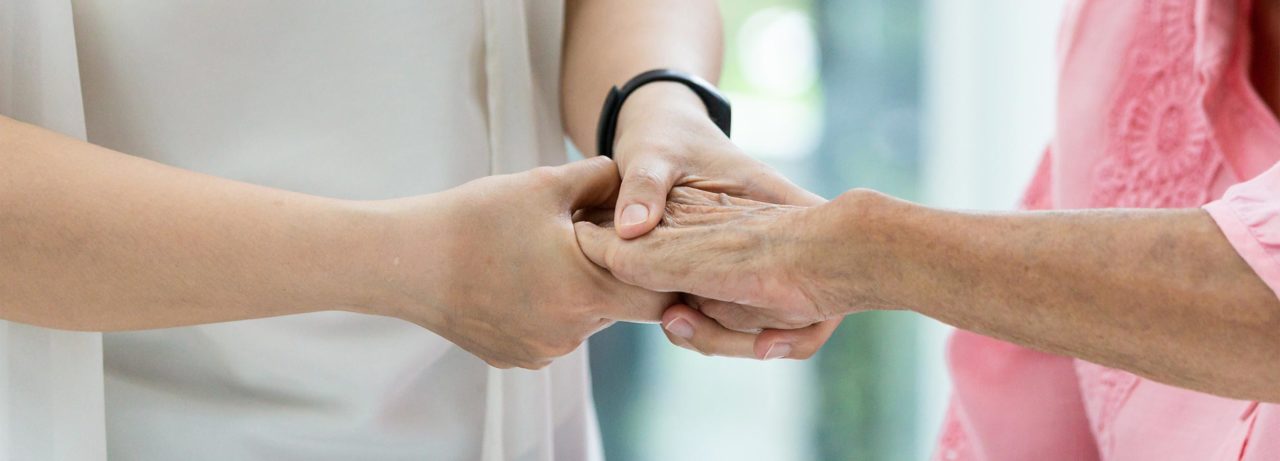
Understanding what your loved one is going through makes pain management easier. Ask him or her to tell you what hurts most and when, and pay attention to new or worsening symptoms to discuss with the doctor.
The type of arthritis your loved one has makes a difference in the approach to treatment, since rheumatoid arthritis and osteoarthritis affect the body in different ways. Let the nature of the pain and its effect on daily activities guide you in choosing an appropriate remedy with the help of your loved one’s doctor. Keep reading for some suggestions!
Consider Physical Therapy and Exercise
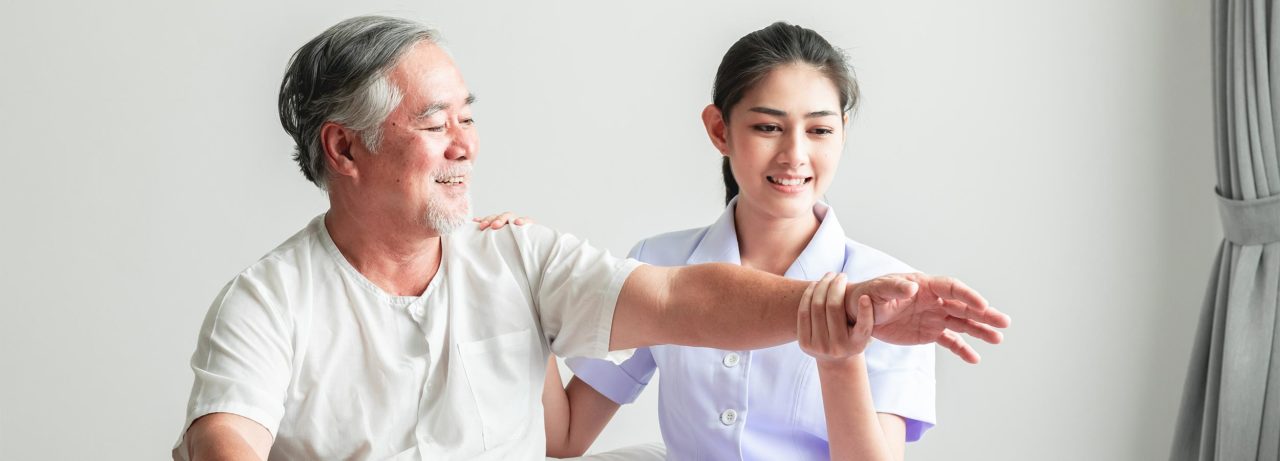
Physical therapy addresses the pain, stiffness and limited motion caused by arthritis. A qualified physical therapist can suggest changes you and your loved one can make, such as improving body mechanics, investing in ergonomic furniture or adjusting how walkers and canes are used.
During each session, the therapist will guide your loved one through exercises for strength, mobility and pain relief. Make sure your loved one sticks with the regimen provided to promote stronger muscles and make living with arthritis easier.
Try Natural Remedies

Although over-the-counter painkillers are often recommended for arthritis pain, these can irritate the digestive system, which is already more sensitive in the elderly. Natural anti-inflammatory options can help and have a lower risk of side effects. Some of the most common include:
• Turmeric or curcumin supplements
• Supplemental omega-3 fatty acids derived from algae
• Capsaicin cream
• Arnica cream
• Heat and cold therapy
Adding more flavonoid- and antioxidant-rich fruits and vegetables to your loved one’s diet can also reduce inflammation and improve overall health.
Look into Alternative Treatments
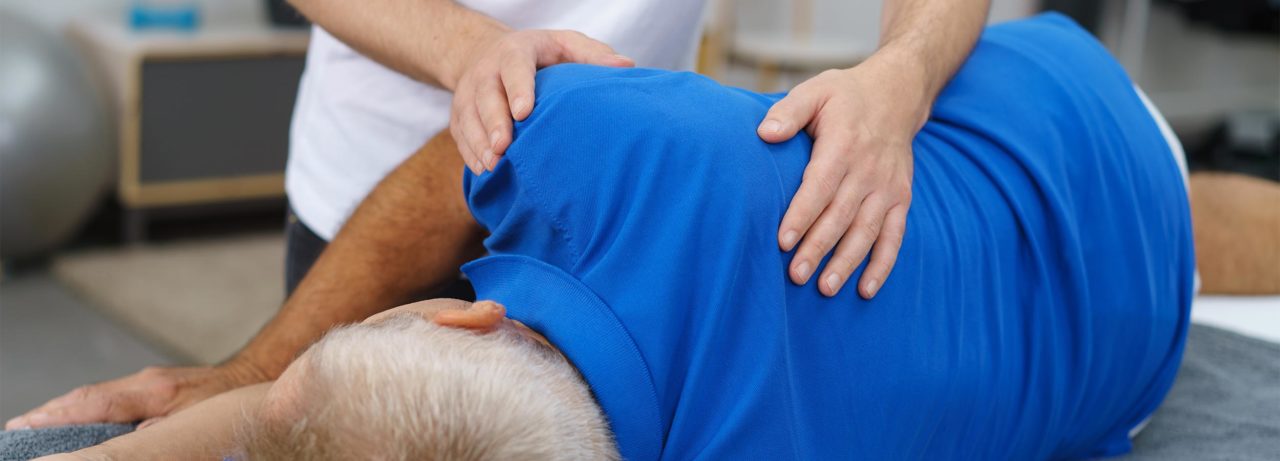
Some people with arthritis get relief from massage or chiropractic adjustments. Massage increases the blood flow to painful areas and can be used in conjunction with pain relief creams. However, consider your loved one’s physical condition before trying chiropractic manipulation, because some movements can be jarring or aggressive.
Always consult with your elderly loved one’s doctor when starting an arthritis relief plan. He or she can provide remedies you may not have considered or inform you of new options to bring longer-lasting relief.
If you’re unable to help your loved one throughout the day, Caring Home Care can help! Our certified caregivers can provide your loved one with the attention they need, from medication reminders to transportation to doctor appointments. Learn more today!
Considering a Career Change? Explore a Path as an HHA or CNA If you are considering a career change, becoming a home health aide (HHA) or certified nursing assistant (CNA) may offer a rewarding way to put your strengths to work. For people who value personal connection and helping others, supporting someone at home can

Haitian TPS Changes Could Deepen Florida’s Home Care Workforce Shortage Florida’s home care system is already facing a serious caregiver shortage. Now, changes to Temporary Protected Status (TPS) for Haitian nationals could create another challenge for seniors, people with disabilities, and families who depend on caregivers to remain safely at home. The Home Care Association
Florida’s Home Care Workforce Shortage: What It Means for Seniors and Their Families As Florida’s senior population continues to grow, more families are choosing home care to help their loved ones remain safe, comfortable, and independent. However, a growing workforce shortage is making it increasingly difficult for many seniors to receive the care they need.
Need A Caregiver? Fill Out Form Below
With our competitive rates, we make receiving in-home care affordable regardless of whether you’re using your insurance or paying out of pocket.