
Share
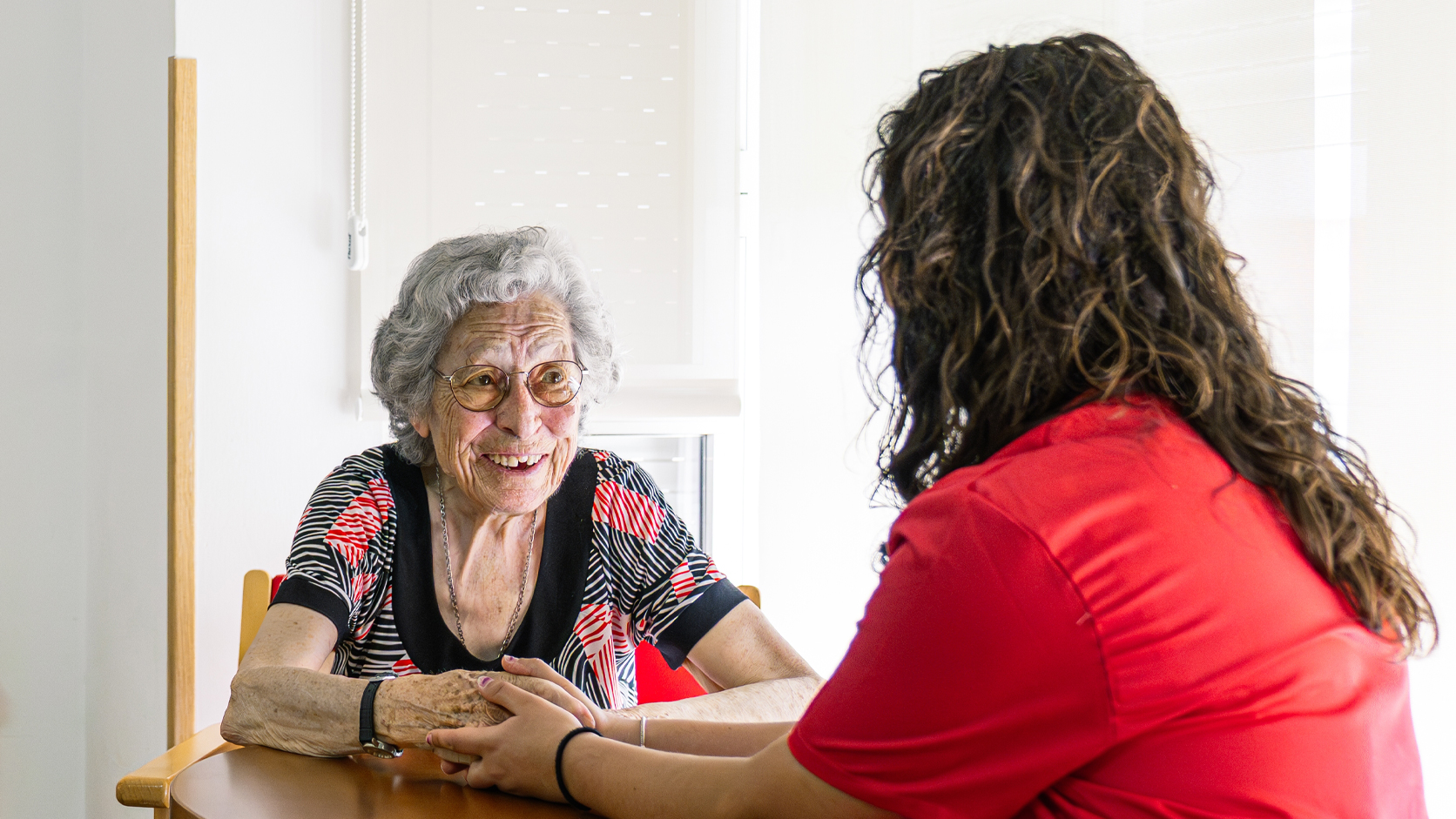
Confusion is a common characteristic of dementia often experienced by Alzheimer’s patients. Your loved one may begin to forget details like what day it is, where they are or who they’re with. Use these techniques to help handle episodes of confusion and maintain a calm atmosphere.
Keep Explanations Simple

When your loved one forgets something important or fails to understand what you’re saying, providing too many details is likely to make the situation worse. Keep answers short and to the point, using simple words and straightforward explanations.
Be gentle when asking for clarification or when correction is necessary; avoid using words or a tone of voice your loved one could mistake for harshness or condescension.
Give Reminders Throughout the Day

During regular conversations, take opportunities to remind your loved one what day or time of year it is. Offer contextually appropriate prompts regarding who they’re with or the names of visitors.
Since providing random information may amplify confusion, try to incorporate your reminders into the natural flow of discussion. Consider getting your loved one a clock, watch, calendar or planner so that he or she has visual cues as to the day and time, as well as what to expect in his or her schedule.
Reduce Clutter in Surroundings

Many Alzheimer’s patients tend to wander when they get confused, either because they don’t remember their surroundings or they think they’re somewhere else.
Cleaning up the areas where your loved one spends most of his or her time can prevent accidents like tripping or falling. Keeping the house tidy also reduces the amount of information your loved one has to process, which can help stop him or her from becoming overwhelmed.
Enjoy the Journey

Sometimes it’s okay to just be with your loved one wherever his or her mind goes at a given time. Some Alzheimer’s patients spend quite a bit of their days thinking they’re in an earlier part of their lives.
Instead of being frightened or frustrated by this, try looking at it as a blessing in disguise. You could get an opportunity to learn something about your loved one that you never knew and record their stories to share with future generations.
Approaching your loved one’s confusion with care and compassion diffuses distress and promotes comfort. Continue to monitor changes in cognition, and adjust your tactics appropriately to address situations as they arise.
If you need extra support caring for your loved one, Caring Home Care can help! Our certified caregivers can provide homemaking services, personal care assistance, companionship and more. Learn more about our caregivers today!
Considering a Career Change? Explore a Path as an HHA or CNA If you are considering a career change, becoming a home health aide (HHA) or certified nursing assistant (CNA) may offer a rewarding way to put your strengths to work. For people who value personal connection and helping others, supporting someone at home can

Haitian TPS Changes Could Deepen Florida’s Home Care Workforce Shortage Florida’s home care system is already facing a serious caregiver shortage. Now, changes to Temporary Protected Status (TPS) for Haitian nationals could create another challenge for seniors, people with disabilities, and families who depend on caregivers to remain safely at home. The Home Care Association

Florida’s Home Care Workforce Shortage: What It Means for Seniors and Their Families As Florida’s senior population continues to grow, more families are choosing home care to help their loved ones remain safe, comfortable, and independent. However, a growing workforce shortage is making it increasingly difficult for many seniors to receive the care they need.

Need A Caregiver? Fill Out Form Below
With our competitive rates, we make receiving in-home care affordable regardless of whether you’re using your insurance or paying out of pocket.