
Share
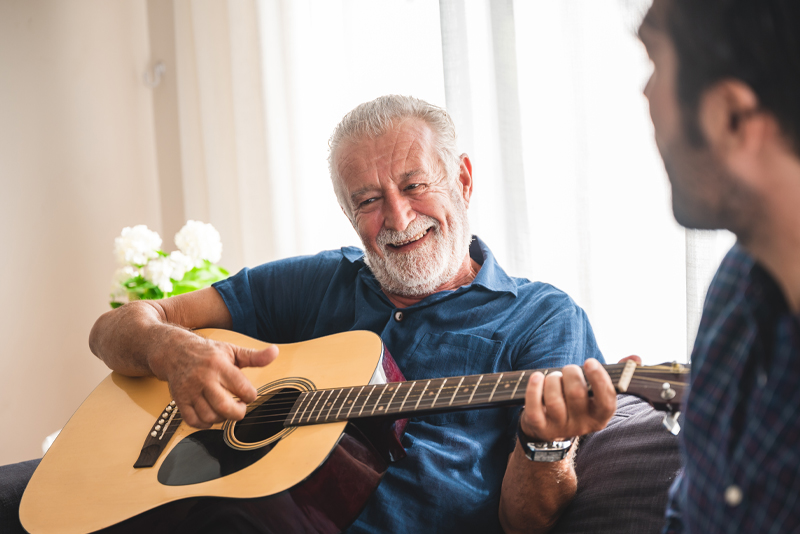
The Benefits of Music Therapy for Seniors
As people age, maintaining physical health, emotional well-being, and cognitive function becomes increasingly important. One powerful yet often overlooked tool for supporting senior wellness is music therapy. Whether it’s listening to favorite songs, playing an instrument, or participating in a guided session, music therapy for seniors can spark joy, stimulate the brain, and promote overall health.
What Is Music Therapy?
Music therapy is a clinical and evidence-based practice where a trained music therapist uses music to address physical, emotional, cognitive, and social needs. It goes beyond simply enjoying tunes—it’s a structured intervention that can support recovery, enhance quality of life, and reduce symptoms associated with age-related conditions.
1. Improves Cognitive Function
Music has a remarkable effect on the brain. For seniors experiencing memory loss or early signs of dementia, familiar songs can trigger long-lost memories. Studies show that music therapy helps improve attention span, recall, and even speech in individuals with Alzheimer’s disease and other forms of dementia. Melodies and lyrics stimulate multiple areas of the brain simultaneously, creating connections that support memory retention.
2. Enhances Emotional Well-being
Depression and anxiety are common among seniors, especially those dealing with isolation or chronic illness. Music therapy provides emotional release and comfort. Uplifting songs can boost mood, while slow, calming music can reduce stress and agitation. Through singing, drumming, or simply listening, seniors often find a sense of purpose and emotional connection.
3. Encourages Physical Movement
Music naturally inspires movement. Many seniors participate in rhythm-based activities like drumming or gentle dancing during music therapy sessions. These exercises promote coordination, balance, and flexibility—all of which help reduce the risk of falls. For individuals recovering from surgery or managing mobility challenges, music can serve as both motivation and therapy.
4. Promotes Social Interaction
Group music therapy encourages seniors to engage with one another, which combats loneliness and fosters community. Singing together, sharing favorite songs, or even reminiscing about concerts from their youth opens the door to meaningful conversation. Social engagement is crucial to senior mental health, and music provides a joyful, accessible way to connect.
5. Reduces Pain and Discomfort
Listening to music has been shown to reduce the perception of pain by promoting relaxation and distraction. Music therapy is frequently used in palliative care settings for elderly patients with chronic pain, arthritis, or undergoing rehabilitation. Soothing sounds can help slow breathing, lower blood pressure, and ease tension throughout the body.
6. Stimulates Creativity and Self-Expression
Many seniors enjoy singing, songwriting, or playing instruments as a creative outlet. Music therapy offers a safe and supportive environment for self-expression. Creating music helps seniors process emotions, share their stories, and leave behind a meaningful legacy for loved ones.
7. Supports Sleep and Relaxation
Sleep problems are common in older adults. Incorporating calming music before bedtime can promote better sleep hygiene. Music therapy often includes guided relaxation techniques with gentle melodies to help seniors unwind, reduce nighttime anxiety, and improve overall restfulness.
8. Accessible for All Abilities
One of the most beautiful aspects of music therapy is that it’s accessible. Whether a senior has limited mobility, cognitive decline, or chronic illness, music can still reach them. Therapists tailor sessions to individual needs, ensuring that each person can participate and benefit in their own way.
How Caring Home Care Can Help
At CaringHomeCare.com, we believe in the healing power of music. Our caregivers are trained to incorporate elements of music into daily routines—whether it’s playing background music during meals or encouraging seniors to engage with their favorite songs.
For clients with dementia, we often use personalized playlists to evoke positive memories. For those recovering from surgery or illness, rhythmic activities may be included to encourage light movement and reduce discomfort.
Music therapy for seniors offers a wide range of emotional, cognitive, and physical benefits. It’s more than entertainment—it’s a form of healing, expression, and connection. Whether at home or in a group setting, music has the ability to touch hearts and transform lives.
If you or a loved one would benefit from in-home care services that support whole-person wellness, including the therapeutic use of music, contact Caring Home Care today. Let us bring comfort, joy, and harmony to your care journey.
Considering a Career Change? Explore a Path as an HHA or CNA If you are considering a career change, becoming a home health aide (HHA) or certified nursing assistant (CNA) may offer a rewarding way to put your strengths to work. For people who value personal connection and helping others, supporting someone at home can

Haitian TPS Changes Could Deepen Florida’s Home Care Workforce Shortage Florida’s home care system is already facing a serious caregiver shortage. Now, changes to Temporary Protected Status (TPS) for Haitian nationals could create another challenge for seniors, people with disabilities, and families who depend on caregivers to remain safely at home. The Home Care Association
Florida’s Home Care Workforce Shortage: What It Means for Seniors and Their Families As Florida’s senior population continues to grow, more families are choosing home care to help their loved ones remain safe, comfortable, and independent. However, a growing workforce shortage is making it increasingly difficult for many seniors to receive the care they need.
Need A Caregiver? Fill Out Form Below
With our competitive rates, we make receiving in-home care affordable regardless of whether you’re using your insurance or paying out of pocket.