
Share
Caregivers of disabled or aging veterans may need help navigating the complex issues their loved ones deal with on a daily basis.
Here’s how you can prepare yourself to meet the challenges.
Understanding Unique Needs

Veterans have distinctive sets of health and personal needs. Compared to civilians, veterans are more likely to suffer from:
• Post-traumatic stress disorder (PTSD)
• Traumatic brain injury (TBI)
• Substance abuse disorder (SUD)
• Chronic pain
• Depression
• Suicidal thoughts or tendencies
Additional complications from injuries, amputations, and exposure to noise or chemicals may also affect health. Veterans who have recently returned from service can struggle to readjust to society outside of the military, and many require assistance with basic life skills.
Finding Knowledgeable Medical Professionals

Although many benefits and health services are available from the U.S. Department of Veterans Affairs (VA), some veterans either don’t qualify for, live too far from these services to benefit and must receive care from civilian facilities, or need more care than the VA can provide.
Additionally, a 2018 RAND study revealed civilian doctors are unprepared to deal with many of the health concerns and mental traumas veterans face and require more training to better serve these patients. Poor communication between providers makes it difficult for veterans seeing both VA and civilian medical professionals to maintain a cohesive continuum of care, so caregivers must do additional work to avoid delays or mistakes.
Connecting Aging Veterans with Home Care

Caring Home Care provides in-home services for aging veterans and those requiring long-term care for ongoing health problems. The services we provide range from:
• Homemaker services (cooking, cleaning, etc.)
• Personal care assistance (bathing, grooming, dressing, etc.)
• Respite care
• Live-in caregiving
• Post-op care
Easing the Burden for Caregivers
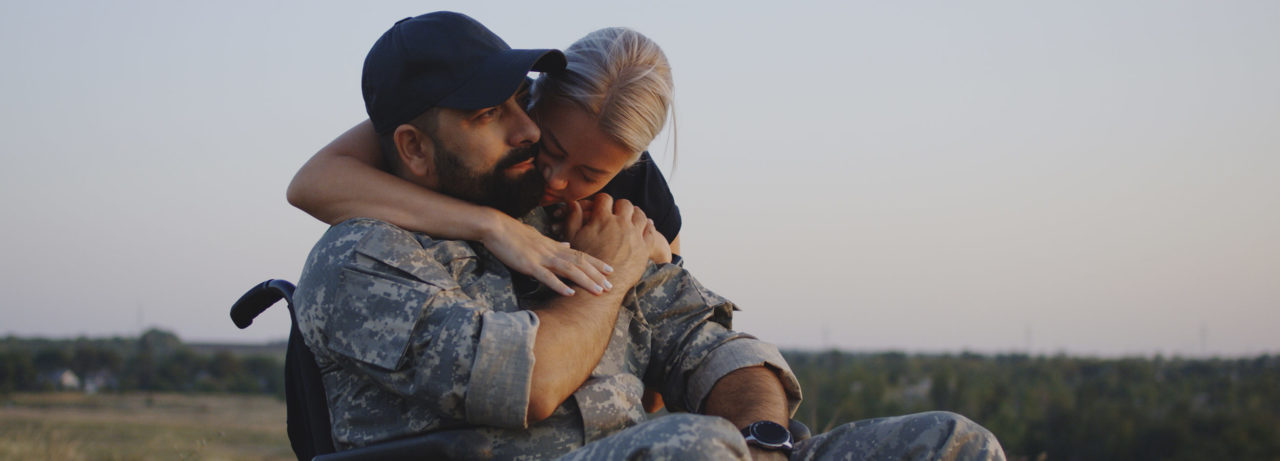
Emotional and financial support can take some of the load off you as the caregiver of a veteran. Thanks to the VA, caregivers have access to services like a support line and an online workshop.
Ultimately, hiring a professional caregiver can help ease the burden of caring for your loved one and provide them with the care and compassion they need each and every day. Caring Home Care’s certified caregivers can help as little or as much as you need at an affordable price. Learn more about our caregiving services today!
Considering a Career Change? Explore a Path as an HHA or CNA If you are considering a career change, becoming a home health aide (HHA) or certified nursing assistant (CNA) may offer a rewarding way to put your strengths to work. For people who value personal connection and helping others, supporting someone at home can

Haitian TPS Changes Could Deepen Florida’s Home Care Workforce Shortage Florida’s home care system is already facing a serious caregiver shortage. Now, changes to Temporary Protected Status (TPS) for Haitian nationals could create another challenge for seniors, people with disabilities, and families who depend on caregivers to remain safely at home. The Home Care Association
Florida’s Home Care Workforce Shortage: What It Means for Seniors and Their Families As Florida’s senior population continues to grow, more families are choosing home care to help their loved ones remain safe, comfortable, and independent. However, a growing workforce shortage is making it increasingly difficult for many seniors to receive the care they need.
Need A Caregiver? Fill Out Form Below
With our competitive rates, we make receiving in-home care affordable regardless of whether you’re using your insurance or paying out of pocket.