
Share

Understanding the Different Types of Home Care Services
Home care services are diverse and cater to various needs of elderly patients. Understanding the different types of home care services available can help families make informed decisions about the care their loved ones need. Here’s a comprehensive guide to the primary types of home care services:
- Personal Care Assistance: Personal care assistance is one of the most common types of home care services. It involves helping elderly individuals with daily activities that they may struggle to perform independently. This type of care includes:
- Bathing: Assistance with showering, bathing, and maintaining personal hygiene.
- Dressing: Helping with choosing appropriate clothing and getting dressed.
- Grooming: Assistance with grooming activities such as hair brushing, shaving, and nail care.
- Toileting: Support with using the bathroom and managing incontinence.
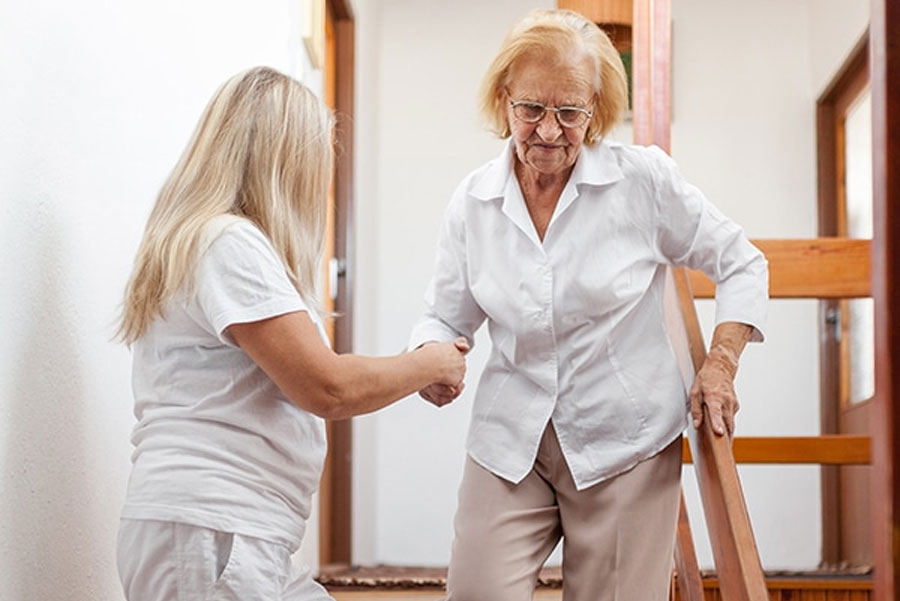
- Mobility Assistance: Helping individuals move around safely, including transferring from bed to chair.
Personal care aides are trained to provide compassionate and respectful support, ensuring that elderly individuals maintain their dignity and independence as much as possible.
- Companion Care: Companion care focuses on providing social interaction and emotional support to elderly individuals who may be feeling isolated or lonely. This type of care includes:
- Conversation and Companionship: Spending time talking, playing games, and engaging in hobbies.
- Accompaniment: Accompanying individuals to appointments, social events, and community activities.
- Errands and Shopping: Assisting with grocery shopping, picking up prescriptions, and running other errands.
- Light Housekeeping: Helping with light household chores such as laundry, dusting, and tidying up.
Companion care is particularly beneficial for seniors who live alone and need regular social interaction to maintain their mental and emotional well-being.
- Skilled Nursing Care: Skilled nursing care involves medical care provided by licensed nurses. This type of care is typically required for individuals with complex medical needs and includes:
- Wound Care: Dressing changes, monitoring, and care for surgical wounds or chronic ulcers.
- IV Therapy: Administration of intravenous medications and fluids.
- Medication Reminders: Ensuring that medications are taken correctly and managing medication schedules.
- Chronic Disease Management: Monitoring and managing chronic conditions such as diabetes, heart disease, and respiratory illnesses.
- Post-Surgical Care: Providing care and monitoring recovery following surgery.
Skilled nursing care is essential for patients who need regular medical attention and monitoring to manage their health conditions effectively.
- Therapy Services: Home care therapy services include physical, occupational, and speech therapy provided in the comfort of the patient’s home. These services are designed to help individuals regain and maintain their independence and mobility. Therapy services include:
- Physical Therapy: Exercises and treatments to improve mobility, strength, and balance, often following an injury or surgery.
- Occupational Therapy: Assistance with relearning daily activities and adapting the home environment to improve safety and independence.
- Speech Therapy: Therapy to address speech, language, and swallowing disorders, often following a stroke or neurological condition.
Therapists work closely with patients to develop personalized treatment plans aimed at achieving their specific health goals.
- Chronic Disease Management: Managing chronic diseases at home can significantly improve the quality of life for elderly individuals. Chronic disease management services include:
- Monitoring Vital Signs: Regular monitoring of blood pressure, blood sugar levels, and other vital signs.
- Diet and Exercise Plans: Developing and implementing personalized diet and exercise plans to manage conditions such as diabetes and heart disease.
- Education and Support: Providing education and support to help individuals manage their conditions effectively.
These services aim to reduce hospitalizations and complications associated with chronic diseases, allowing patients to maintain a higher level of independence.
- Post-Surgical Care: Post-surgical care at home is crucial for patients recovering from surgery. This type of care includes:
- Pain Management: Administering and managing pain medications to ensure comfort.
- Wound Care: Monitoring and caring for surgical wounds to prevent infection and promote healing.
- Rehabilitation Exercises: Assisting with prescribed exercises to regain strength and mobility.
- Monitoring for Complications: Watching for signs of complications such as infections or blood clots.
Post-surgical care helps patients recover more quickly and comfortably in their own homes, reducing the need for extended hospital stays.
Conclusion: Understanding the different types of home care services available can help families make informed decisions about the care their loved ones need. Whether it’s personal care assistance, companion care, skilled nursing, therapy services, chronic disease management, or post-surgical care, each type of service plays a vital role in supporting the health and well-being of elderly individuals. By choosing the right home care services, families can ensure that their loved ones receive the comprehensive care they need to live comfortably and independently at home.
Considering a Career Change? Explore a Path as an HHA or CNA If you are considering a career change, becoming a home health aide (HHA) or certified nursing assistant (CNA) may offer a rewarding way to put your strengths to work. For people who value personal connection and helping others, supporting someone at home can

Haitian TPS Changes Could Deepen Florida’s Home Care Workforce Shortage Florida’s home care system is already facing a serious caregiver shortage. Now, changes to Temporary Protected Status (TPS) for Haitian nationals could create another challenge for seniors, people with disabilities, and families who depend on caregivers to remain safely at home. The Home Care Association
Florida’s Home Care Workforce Shortage: What It Means for Seniors and Their Families As Florida’s senior population continues to grow, more families are choosing home care to help their loved ones remain safe, comfortable, and independent. However, a growing workforce shortage is making it increasingly difficult for many seniors to receive the care they need.
Need A Caregiver? Fill Out Form Below
With our competitive rates, we make receiving in-home care affordable regardless of whether you’re using your insurance or paying out of pocket.